
Introduction: A Breakthrough or Too Good to Be True?
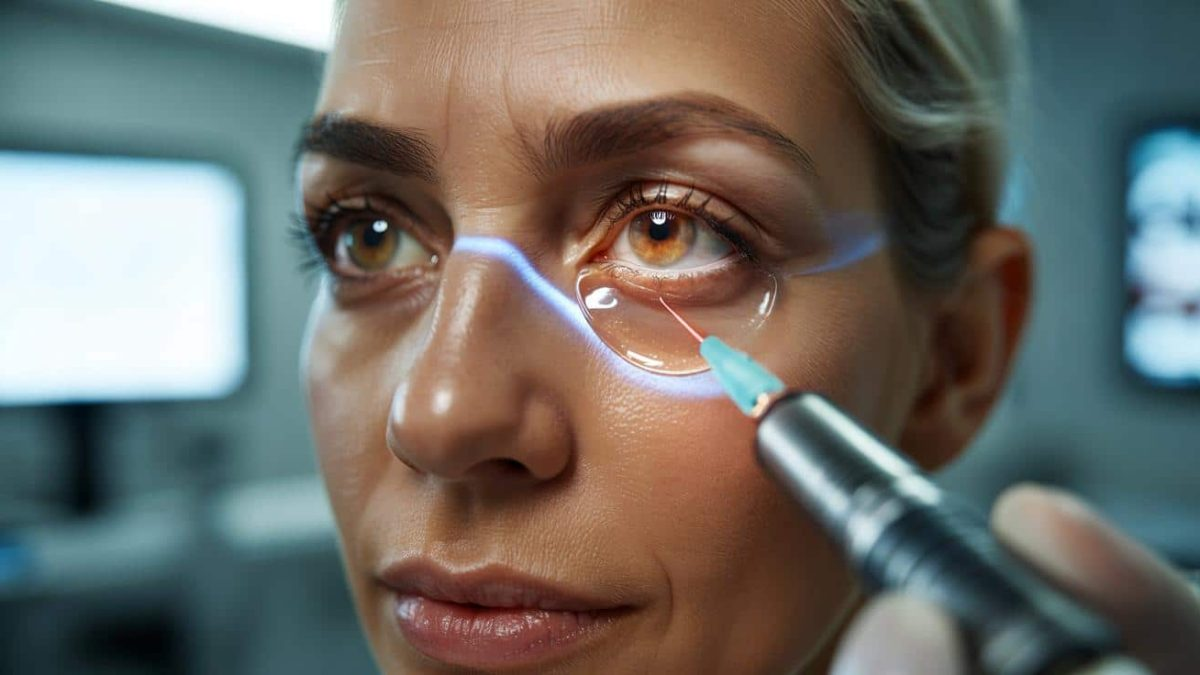
Vision Revolution or Risky Hype: In recent years, a new innovation has sparked intense debate in the medical world—an eye gel that claims to restore vision without the need for invasive procedures. For millions of people suffering from vision problems, the idea of improving eyesight without surgery sounds revolutionary.
However, experts in Ophthalmology urge caution. While early research appears promising, questions remain about effectiveness, safety, and long-term outcomes.
Is this eye gel truly a breakthrough—or just another overhyped solution? Let’s explore the science, controversy, and future potential behind this emerging treatment.
Understanding Vision Loss
Common Causes of Vision Problems
Vision impairment can result from several conditions, including:
- Cataracts
- Glaucoma
- Age-related Macular Degeneration
- Refractive errors like nearsightedness and farsightedness
Each condition affects different parts of the eye, making treatment complex.
Limitations of Traditional Treatments
Current treatments often involve:
- Glasses or contact lenses
- Medications
- Surgical procedures such as LASIK or cataract surgery
While effective, these options may not be suitable or affordable for everyone.

What Is the Eye Gel and How Does It Work?
A Non-Invasive Alternative
The eye gel is designed to be applied directly to the eye surface, offering a non-surgical approach to improving vision.
Proposed Mechanism
Researchers suggest that the gel may:
- Improve light focusing
- Enhance corneal function
- Support cellular repair
Some formulations aim to interact with the eye’s natural structure to improve clarity.
Why This Innovation Is Controversial
Lack of Long-Term Evidence
One of the biggest concerns is the absence of extensive clinical data. Many experts argue that more research is needed before widespread use.
Regulatory Challenges
Health authorities require strict testing before approving new treatments. The eye gel is still under evaluation in many regions.
Mixed Expert Opinions
While some researchers see potential, others warn that claims may be exaggerated.
Potential Benefits of the Eye Gel

1. No Surgery Required
Unlike traditional procedures, the gel eliminates the need for incisions or lasers.
2. Reduced Risk
Surgical complications—such as infection or recovery issues—may be avoided.
3. Accessibility
A topical treatment could be more affordable and accessible to a wider population.
4. Convenience
Application at home makes it easier for users compared to hospital-based procedures.
Possible Risks and Concerns
1. Unknown Side Effects
Since the treatment is relatively new, long-term side effects are not fully understood.
2. Overpromising Results
Some products may exaggerate their effectiveness, leading to unrealistic expectations.
3. Delayed Proper Treatment
Relying on unproven solutions could delay necessary medical care.
How It Compares to Surgery
Surgical Options
Procedures like LASIK reshape the cornea to improve vision and have a strong track record.
Eye Gel vs. Surgery
| Feature | Eye Gel | Surgery |
|---|---|---|
| Invasiveness | Non-invasive | Invasive |
| Recovery Time | Minimal | عدة days to weeks |
| Risk Level | Potentially lower | Moderate |
| Proven Results | Limited | Well-established |
Who Might Benefit from This Treatment?
Ideal Candidates
The eye gel may be suitable for:
- People with mild vision issues
- Individuals unable to undergo surgery
- Those seeking non-invasive options
Who Should Be Cautious?

- Patients with severe eye conditions
- Individuals with underlying health issues
- Anyone considering replacing proven treatments
The Role of Scientific Research
Clinical Trials
Ongoing studies are essential to determine:
- Effectiveness
- Safety
- Long-term outcomes
Importance of Evidence-Based Medicine
Experts in Ophthalmology emphasize that treatments should be backed by rigorous scientific evidence.
Public Interest and Media Hype
Why It’s Gaining Attention
The idea of restoring vision without surgery is highly appealing, leading to widespread media coverage.
Separating Fact from Fiction
Consumers should be cautious and rely on verified medical information.
Ethical Considerations
Marketing Claims
Some companies may use aggressive marketing to promote unproven products.
Patient Safety
Ensuring safety should always be the top priority in medical innovation.
The Future of Vision Treatment
Advances in Technology
New developments in eye care may lead to safer and more effective non-invasive treatments.
Integration with Existing Methods
The eye gel could complement traditional treatments rather than replace them.
Practical Advice for Consumers
Consult a Specialist
Always seek advice from a qualified eye care professional before trying new treatments.
Verify Product Claims
Look for clinical evidence and regulatory approval.
Avoid Self-Diagnosis
Proper diagnosis is essential for effective treatment.
Conclusion: Promise with Caution
The controversial eye gel represents an exciting possibility in the field of Ophthalmology. It offers the potential for non-invasive vision improvement, which could benefit millions of people worldwide.
However, caution is essential. Without sufficient scientific evidence, it is important to approach such innovations carefully. While the future of vision care may include groundbreaking solutions like this, they must be proven safe and effective before becoming mainstream.
For now, the eye gel remains a promising yet debated development—one that could reshape eye care, but only with time, research, and responsible use.
FAQs
1. What is the eye gel that claims to restore vision?
It is a topical treatment applied directly to the eye, designed to improve vision without surgery. It is still being studied in the field of Ophthalmology.
2. Can this eye gel really restore eyesight?
There is some early research suggesting potential benefits, but there is not enough long-term scientific evidence yet to confirm that it can fully restore vision.
3. Is the eye gel safe to use?
Safety is still under evaluation. Since it is a relatively new development, long-term side effects and risks are not fully known.