

Introduction: The Hidden Connection Between Snacks and Brain Health
Hidden Brain Saboteurs: Snacking has become a routine part of modern life. From grabbing a bag of chips during a work break to enjoying cookies while watching television, people around the world rely on quick snacks to satisfy cravings and boost energy. However, recent research suggests that many popular snack foods may be doing more harm than good—especially when it comes to memory and cognitive health.

The shocking truth is that certain ingredients commonly found in processed snacks can negatively affect the brain. Over time, these foods may contribute to memory problems, reduced concentration, and even long-term cognitive decline. While occasional indulgence is unlikely to cause significant harm, regularly consuming unhealthy snacks could gradually sabotage your brain’s ability to function at its best.
Understanding the relationship between diet and memory is crucial in an era where processed foods dominate supermarket shelves. In this article, we explore how common snacks may impact brain health, what ingredients to watch out for, and how you can make smarter choices to protect your memory.
The Science Behind Memory and Nutrition
How the Brain Depends on Nutrients
The human brain is an incredibly complex organ that requires a steady supply of nutrients to function properly. It consumes roughly 20% of the body’s energy despite accounting for only about 2% of total body weight. Key nutrients such as omega-3 fatty acids, antioxidants, vitamins, and minerals help maintain neural connections and support cognitive processes.
When the brain does not receive the nutrients it needs—or is exposed to harmful substances—its ability to store and retrieve information can be compromised.

The Role of Diet in Cognitive Function
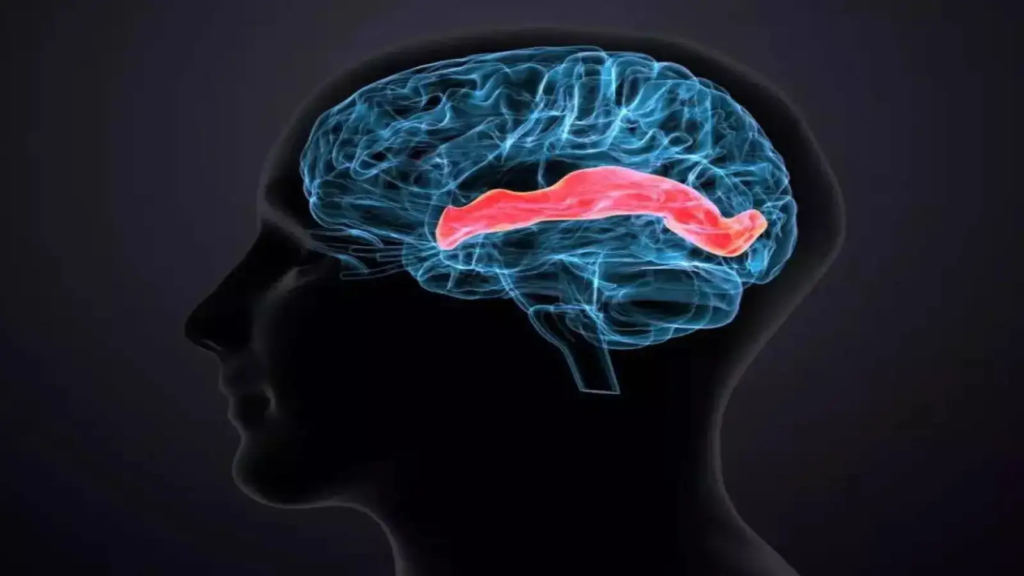
Diet plays a fundamental role in brain health. Studies have shown that diets high in processed foods, sugar, and unhealthy fats can impair cognitive performance. These foods may trigger inflammation in the brain, disrupt neurotransmitter function, and negatively impact the hippocampus—the region responsible for learning and memory.
In contrast, diets rich in fruits, vegetables, whole grains, and healthy fats are associated with better memory and reduced risk of cognitive decline.
Popular Snack Foods That May Harm Your Memory
Sugary Snacks and Their Cognitive Impact
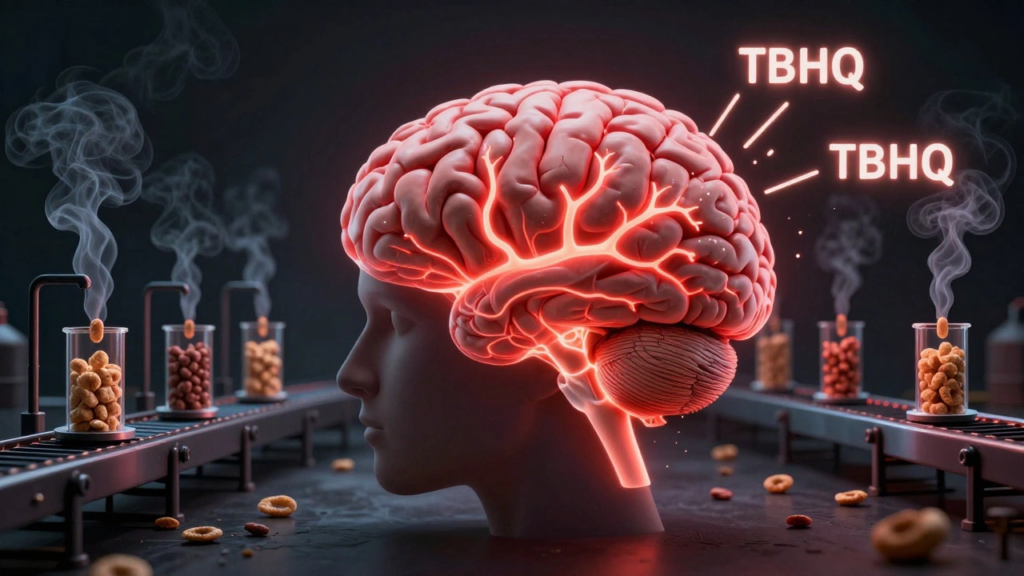
Sugary snacks such as candy bars, sweet pastries, and sugary cereals are among the most widely consumed processed foods. While they provide a quick burst of energy, the effects on the brain can be harmful when consumed frequently.
High sugar intake can lead to spikes and crashes in blood glucose levels. These fluctuations can affect concentration and mental clarity. Over time, excessive sugar consumption may impair the brain’s ability to form new memories.
Ultra-Processed Chips and Packaged Snacks
Many savory snacks contain high levels of salt, artificial flavorings, and unhealthy fats. These ingredients may increase inflammation and oxidative stress in the brain. Chronic inflammation is linked to reduced cognitive performance and a higher risk of neurological disorders.
Additionally, the high sodium content in many packaged snacks can affect blood pressure, which may indirectly impact brain health and memory.
Processed Baked Goods
Cookies, muffins, and other packaged baked goods often contain refined flour, added sugars, and preservatives. While these foods may taste delicious, they provide minimal nutritional value and may contribute to metabolic imbalances that affect brain function.
Regular consumption of these snacks can lead to weight gain, insulin resistance, and impaired cognitive performance.
The Role of Sugar in Memory Decline
How Excess Sugar Affects the Brain
Sugar is one of the most widely consumed ingredients in processed snacks. While small amounts are harmless, excessive intake can disrupt brain chemistry. High sugar consumption has been linked to reduced production of brain-derived neurotrophic factor (BDNF), a protein essential for learning and memory.
Lower levels of BDNF may make it more difficult for the brain to form new neural connections.
Blood Sugar Spikes and Mental Fog
When you eat sugary snacks, your blood sugar rises rapidly. This sudden spike is followed by a crash that can leave you feeling tired, irritable, and mentally foggy. Over time, repeated spikes may damage the brain’s ability to regulate glucose, potentially contributing to cognitive decline.
Unhealthy Fats and Their Effects on Cognitive Health
Trans Fats and Brain Function
Trans fats are commonly found in fried foods and processed snacks. These artificial fats are known to increase inflammation and disrupt normal cellular function. Studies have linked high trans fat consumption with poorer memory performance and slower cognitive processing.
Reducing trans fat intake is one of the most effective ways to protect brain health.
Saturated Fats and Memory
Although the relationship between saturated fat and brain health is still being studied, some research suggests that diets high in saturated fats may negatively affect memory. Excessive intake may interfere with communication between brain cells, making it harder to retain and recall information.
Artificial Additives and Brain Health
Preservatives and Flavor Enhancers
Many snack foods contain preservatives and flavor enhancers designed to extend shelf life and enhance taste. While these additives are considered safe in small quantities, excessive consumption may contribute to neurological issues in sensitive individuals.
Some researchers believe that certain additives may affect neurotransmitter balance and cognitive performance.
Artificial Sweeteners
Artificial sweeteners are often used in “diet” snacks and beverages. Although they provide sweetness without calories, their long-term effects on brain health are still being investigated. Some studies suggest that excessive consumption may disrupt metabolic processes linked to cognitive function.
Inflammation: The Hidden Enemy of Memory
How Inflammation Impacts the Brain
Inflammation occurs when the body responds to injury or harmful stimuli. While short-term inflammation is a natural defense mechanism, chronic inflammation can damage tissues—including the brain.
Diets high in processed snacks may promote systemic inflammation, which has been associated with memory loss and cognitive decline.
Oxidative Stress and Brain Aging
Oxidative stress occurs when there is an imbalance between free radicals and antioxidants in the body. Many unhealthy snacks lack antioxidants and may increase oxidative stress. Over time, this process can accelerate brain aging and impair memory.
The Gut–Brain Connection
How Diet Influences Brain Health Through the Gut
The gut and brain are closely connected through the gut-brain axis. The bacteria living in your digestive system play a role in producing neurotransmitters that influence mood and cognition.
Diets high in processed snacks may disrupt the balance of gut bacteria, which can negatively affect memory and mental clarity.
Probiotics and Cognitive Function
Foods rich in probiotics, such as yogurt and fermented vegetables, support a healthy gut microbiome. Maintaining a balanced gut environment may improve cognitive function and protect against memory problems.
Healthier Snack Alternatives for Brain Support
Nutrient-Dense Snack Options
Replacing processed snacks with nutrient-dense alternatives can support brain health. Consider snacks such as:
- Nuts and seeds
- Fresh fruit
- Greek yogurt
- Whole-grain crackers
- Dark chocolate in moderation
These foods provide essential nutrients that support cognitive function.
Snacks That Boost Memory
Certain foods are known for their brain-boosting properties. Blueberries, walnuts, avocados, and leafy greens contain compounds that protect brain cells and improve memory.
Including these foods in your daily diet can help maintain cognitive health.
Building Brain-Healthy Eating Habits
Reading Nutrition Labels
Learning to read nutrition labels can help you identify unhealthy ingredients in snack foods. Look for products with minimal added sugar, low sodium, and natural ingredients.
Avoid snacks with long lists of artificial additives.
Practicing Moderation
Completely eliminating snack foods may not be necessary. The key is moderation. Enjoying occasional treats while prioritizing healthy foods can help maintain a balanced diet without compromising brain health.
Lifestyle Factors That Support Memory
Physical Activity and Brain Health
Regular physical activity increases blood flow to the brain and promotes the growth of new neural connections. Exercise has been shown to improve memory and reduce the risk of cognitive decline.
Sleep and Cognitive Performance
Adequate sleep is essential for memory consolidation. During sleep, the brain processes and stores information gathered throughout the day.
Poor sleep combined with unhealthy dietary habits may accelerate memory problems.
Protecting Your Memory for the Long Term
The Importance of a Balanced Diet
A balanced diet rich in whole foods is one of the most effective ways to protect brain health. By reducing processed snacks and increasing nutrient-dense foods, you can support long-term cognitive function.
Small Changes That Make a Big Difference
Simple dietary changes—such as replacing sugary snacks with fruit or swapping chips for nuts—can have a positive impact on brain health over time.
Consistency is key when building habits that protect memory.
Conclusion: Rethinking Your Snack Choices
The foods we eat every day have a powerful influence on brain health. While many popular snacks may seem harmless, excessive consumption of sugary, processed, and nutrient-poor foods can negatively affect memory and cognitive performance.
The good news is that small changes in your diet can make a significant difference. By choosing healthier snacks, reading labels carefully, and maintaining a balanced lifestyle, you can protect your brain and support long-term memory.
Understanding the connection between nutrition and cognitive health empowers individuals to make smarter choices. The next time you reach for a snack, remember that what you eat today may shape the health of your brain tomorrow.
FAQs
Can snacks really affect memory and brain function?
Yes, certain snacks—especially those high in sugar, unhealthy fats, and artificial additives—may negatively affect brain health. Regular consumption of highly processed foods can lead to inflammation and blood sugar fluctuations that may impact memory and concentration over time.
Why does sugar affect memory and concentration?
High sugar intake can cause rapid spikes and crashes in blood glucose levels, which may lead to mental fatigue, poor concentration, and reduced cognitive performance. Over time, excessive sugar consumption may also affect brain proteins involved in learning and memory.
Do artificial additives in snacks affect the brain?
Some studies suggest that artificial preservatives, flavor enhancers, and sweeteners may influence brain chemistry in certain individuals. While generally safe in small amounts, excessive intake could contribute to cognitive fatigue or reduced mental clarity.