
Introduction: A Discovery That Could Rewrite Ancient Astronomy
Cosmic Mystery Unearthed: In a remarkable archaeological development, researchers in Bulgaria have uncovered a mysterious rock formation that may reveal how prehistoric civilizations mapped the night sky thousands of years ago. The discovery, which features carefully carved markings and geometric patterns, is sparking excitement among archaeologists, historians, and astronomers around the world.

Experts believe the rock could represent one of the earliest known attempts at prehistoric star mapping, offering insight into how ancient humans observed celestial movements long before modern astronomy emerged. If confirmed, this discovery may transform our understanding of early human knowledge and their deep connection to the cosmos.
In this article, we explore the mysterious rock discovery, its potential connection to ancient astronomy, and what it reveals about prehistoric civilizations.
The Discovery: Unearthing the Mysterious Rock
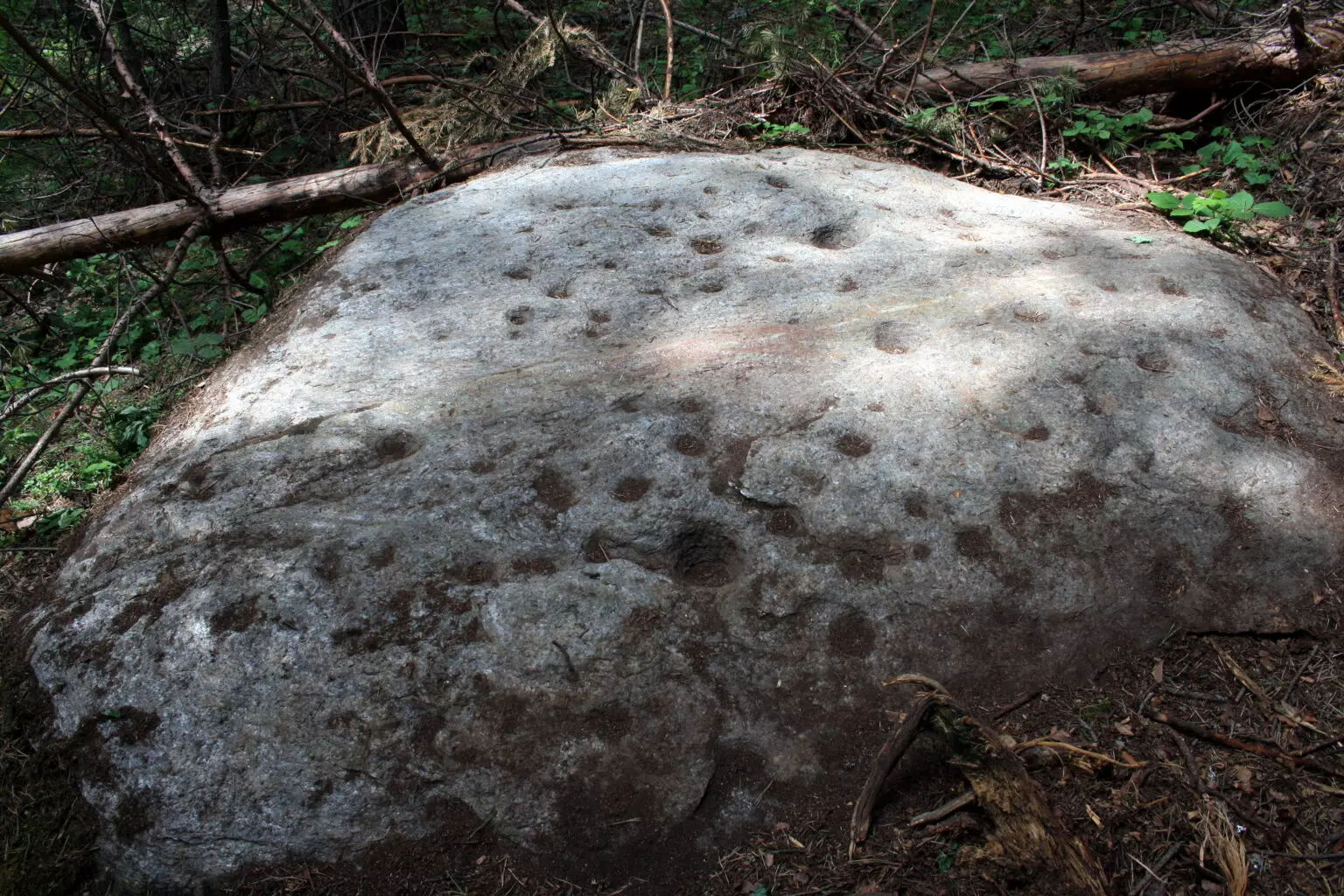
The mysterious rock was discovered during an archaeological survey in the mountainous regions of Rhodope Mountains. Researchers initially believed it to be a natural rock formation. However, closer examination revealed a series of deliberate carvings etched into its surface.
These carvings include:
- Circular patterns
- Intersecting lines
- Star-like symbols
- Geometric arrangements resembling constellations
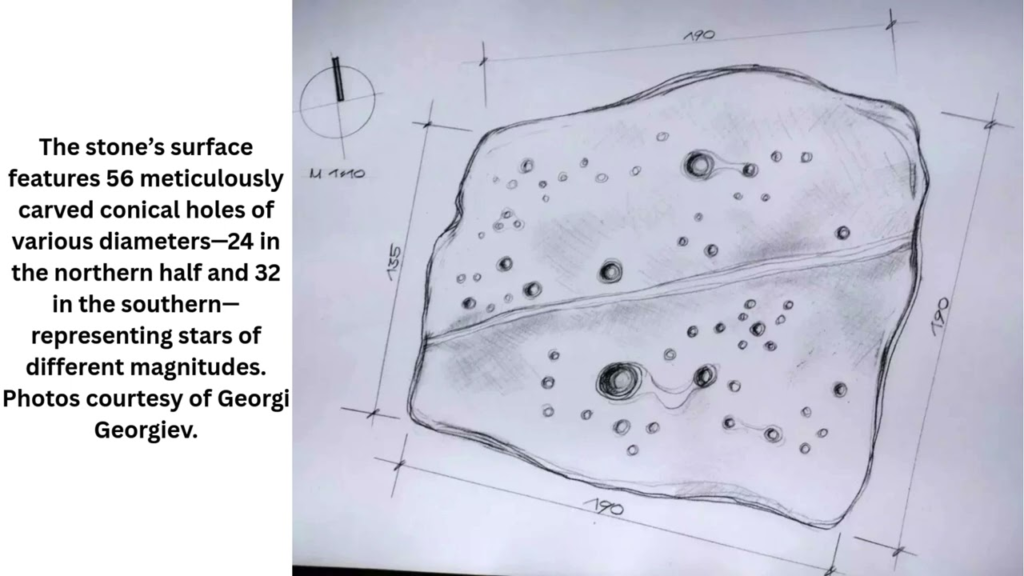
Archaeologists quickly realized that these markings might not be random decorations but rather an intentional representation of the night sky.
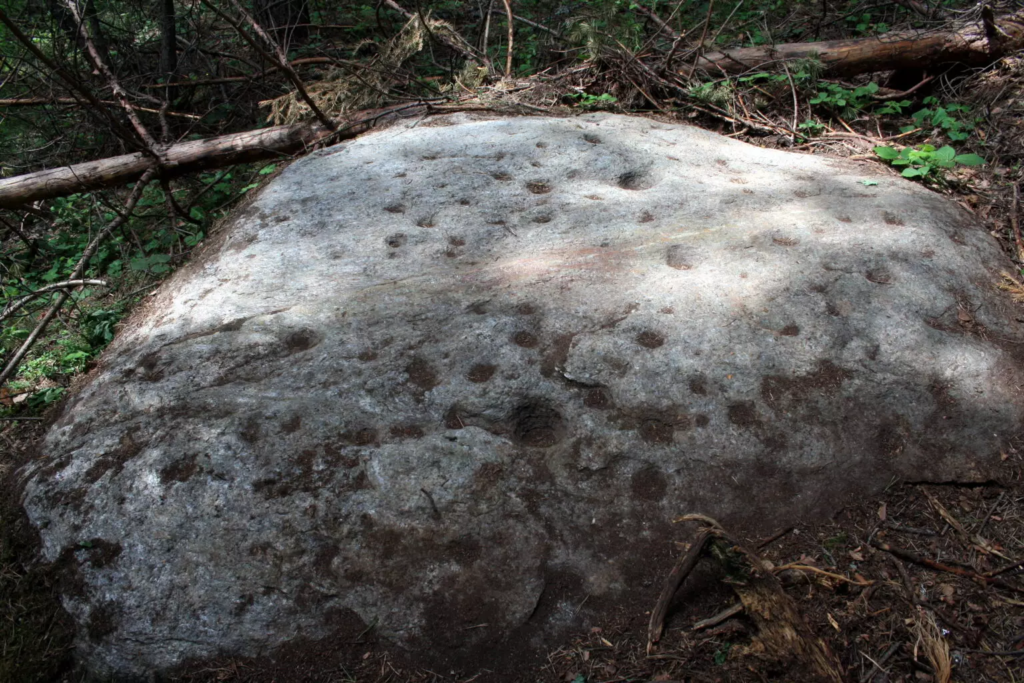
Initial studies suggest the carvings could be several thousand years old, possibly dating back to prehistoric societies that lived in the region long before written records existed.
Why This Rock Is So Important
This discovery is significant because it may represent a prehistoric astronomical map, providing rare evidence that ancient humans tracked celestial movements in sophisticated ways.
Throughout history, ancient cultures have shown remarkable astronomical knowledge. Civilizations such as those connected to Stonehenge and the temples of Göbekli Tepe demonstrate that early societies carefully observed the skies.
However, the Bulgarian rock may predate some known astronomical monuments and could represent a simpler yet meaningful form of early star mapping.
If confirmed, it could show that prehistoric communities used rocks or stone surfaces as tools to record celestial observations.
Ancient Humans and Their Fascination With the Stars
For thousands of years, humans have looked to the night sky for guidance, inspiration, and survival.

Ancient civilizations relied on celestial observations for:
- Tracking seasonal changes
- Planning agricultural cycles
- Navigation and migration
- Religious and spiritual rituals
The idea that prehistoric humans mapped the stars is not entirely new. Evidence from sites like Lascaux Cave suggests that some cave paintings may represent constellations.
The newly discovered Bulgarian rock could provide another piece of evidence supporting the theory that astronomy was an essential part of prehistoric culture.
What the Carvings Might Represent
Researchers are currently analyzing the rock carvings to determine whether they correspond to real star patterns.
Preliminary theories suggest the markings could represent:
1. Constellations
Some experts believe the symbols may resemble well-known constellations such as Orion or Ursa Major.
If true, it would suggest that prehistoric observers identified star patterns similar to those recognized today.
2. Solar and Lunar Cycles
Other archaeologists believe the carvings may represent solar or lunar alignments, helping ancient people track the passage of time.
These cycles were essential for early agricultural societies that depended on seasonal changes.
3. Ritual or Spiritual Symbolism
Another theory suggests that the carvings may have been used for religious or ceremonial purposes, symbolizing the connection between humans and the cosmos.
Many ancient cultures believed the stars represented divine forces or ancestral spirits.
The Science Behind Decoding Ancient Star Maps
Determining whether the carvings truly represent star maps requires advanced scientific analysis.
Researchers are using several modern techniques, including:
Astronomical Simulation
Computer simulations allow scientists to reconstruct the night sky as it would have appeared thousands of years ago. This helps determine whether the rock carvings align with specific constellations or celestial events.
3D Surface Scanning
High-resolution scans of the rock help researchers analyze the depth and structure of each carving. This can reveal whether the markings were intentionally designed.
Geological Dating
Scientists are also studying the rock surface to estimate when the carvings were made.
These methods may eventually confirm whether the rock truly represents one of humanity’s earliest star maps.
Comparing the Discovery to Other Ancient Astronomical Sites
The mysterious Bulgarian rock joins a growing list of archaeological sites connected to ancient astronomy.
Some of the most famous examples include:
Stonehenge
Stonehenge is one of the world’s most well-known prehistoric monuments. Many researchers believe it was aligned with the summer solstice sunrise and served as an ancient astronomical calendar.
Göbekli Tepe
Often considered the world’s oldest temple complex, Göbekli Tepe features stone pillars with carvings that may relate to celestial symbolism.
Nabta Playa
This ancient stone circle may have been used to track the rising of important stars, suggesting advanced astronomical knowledge among early African societies.
The Bulgarian rock discovery could eventually join these sites as a major example of prehistoric astronomy.
What This Discovery Reveals About Prehistoric Intelligence
For many years, early humans were often portrayed as primitive or lacking advanced knowledge. However, discoveries like this challenge that assumption.
Evidence from archaeology increasingly shows that prehistoric societies were capable of:
- Complex symbolic thinking
- Detailed observation of nature
- Mathematical understanding of patterns
- Astronomical awareness
The rock carvings in Bulgaria may demonstrate that ancient humans possessed a surprisingly sophisticated understanding of the night sky.
Challenges and Skepticism Among Scientists
While the discovery is exciting, some researchers urge caution.
Interpreting ancient carvings can be difficult, and not every pattern necessarily represents a star map. Natural erosion, random markings, or symbolic art could potentially resemble astronomical shapes.
Therefore, scientists are carefully analyzing the evidence before drawing definitive conclusions.
Peer-reviewed studies and further excavations will be needed to determine whether the carvings truly represent prehistoric astronomy.
Future Research and Ongoing Investigations
The research team plans to conduct further studies in the area surrounding the rock.
Future investigations may include:
- Searching for additional carved stones
- Excavating nearby archaeological sites
- Analyzing cultural artifacts from the region
- Comparing the carvings with ancient star charts
These efforts may reveal whether the rock was part of a larger prehistoric observatory or ceremonial complex.
Why This Discovery Fascinates the World
The possibility that prehistoric humans mapped the stars thousands of years ago captures the imagination of people worldwide.
It reminds us that the desire to understand the universe is not a modern invention. Instead, it is a deeply human instinct that stretches back into the earliest chapters of our history.
From ancient monuments to mysterious carvings, humanity’s connection to the stars has always been powerful and profound.
Conclusion: A Window Into Humanity’s Cosmic Curiosity
The mysterious rock discovery in Bulgaria may hold the key to understanding how prehistoric societies viewed the cosmos. Whether it ultimately proves to be an early star map or a symbolic cultural artifact, the carvings highlight the incredible curiosity and intelligence of ancient humans.
As scientists continue their research, this discovery may shed new light on the origins of astronomy and the timeless human fascination with the night sky.
One thing is certain: the story of humanity’s relationship with the stars is far older—and far more mysterious—than we once believed.
FAQs
1. Where was the mysterious prehistoric rock discovered?
The rock was discovered in the mountainous region of the Rhodope Mountains, an area known for its rich archaeological heritage and ancient human settlements. Researchers found unusual carvings on the rock during a field survey, which led to further investigation.
2. Why do scientists believe the rock is related to star mapping?
Scientists noticed that the carvings include circular patterns, star-like shapes, and geometric lines that appear similar to constellation layouts. Some researchers believe these markings may represent early attempts to track celestial bodies such as Orion and Ursa Major.
3. How old is the rock carving believed to be?
Preliminary studies suggest the carvings could be several thousand years old. Researchers are using geological dating and archaeological analysis to determine whether the markings were created during prehistoric times in Bulgaria.