
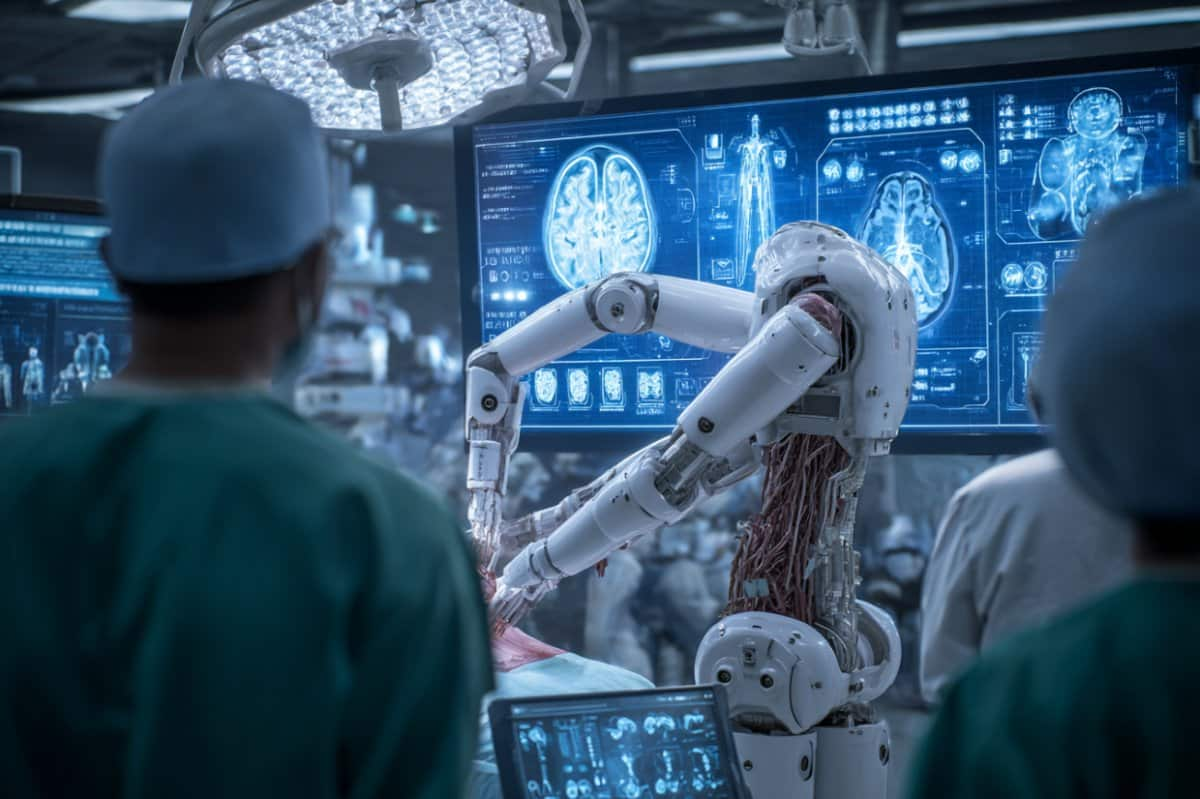
Introduction: A New Era of Autonomous Brain Surgery
Historic Medical Breakthrough: Medical technology is evolving at a breathtaking pace, but a recent breakthrough from China has stunned doctors and researchers worldwide. Scientists have developed an advanced surgical robot capable of performing brain surgery completely autonomously—without direct human assistance during the operation.
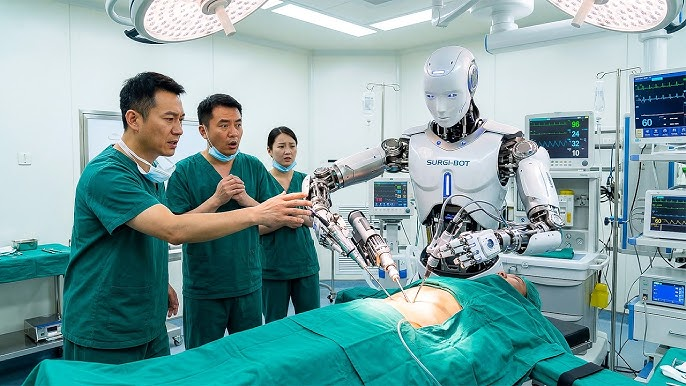
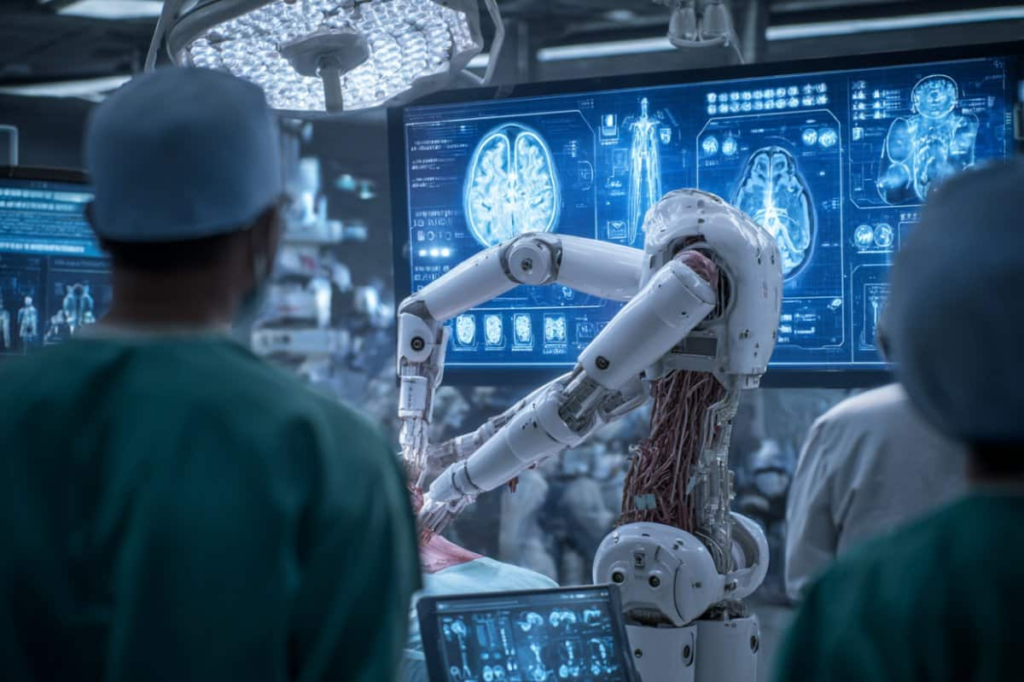
This remarkable development represents a major leap in artificial intelligence, robotics, and neurosurgery. Traditionally, brain surgery requires years of specialized training, extreme precision, and a highly skilled surgical team. However, China’s new robotic system can analyze brain scans, plan surgical pathways, and execute delicate procedures with microscopic accuracy.
Experts believe this innovation could revolutionize healthcare by improving surgical precision, reducing human error, and expanding access to life-saving treatments. Yet, it also raises important questions about safety, ethics, and the future role of doctors in the operating room.
In this article, we will explore how this autonomous brain surgery robot works, why doctors are surprised by its capabilities, and what this breakthrough means for the future of medicine.
Vision Revolution or Risky Hype? The Shocking Truth Behind the Breakthrough Eye Gel Promising Sight Without Surgery
The Rise of Surgical Robotics in Modern Medicine
Robotic-assisted surgery is not entirely new. Over the past two decades, surgical robots have become increasingly common in operating rooms around the world. These systems allow surgeons to perform minimally invasive procedures with enhanced precision and control.
Traditional surgical robots function as tools that surgeons control remotely. They enhance the surgeon’s movements but still rely entirely on human guidance.
History-Shattering Discovery: The Astonishing Kenyan Find That Could Rewrite the Origins of Humanity
Common benefits of robotic-assisted surgery include:
- Smaller incisions
- Reduced blood loss
- Faster recovery times
- Improved surgical precision
- Lower risk of complications
Despite these advantages, human surgeons still make all critical decisions during the procedure. Until now, robots have acted only as assistants—not independent surgeons.
China’s latest breakthrough changes that paradigm entirely.
What Makes China’s Brain Surgery Robot Different
The newly developed robotic system represents the first step toward fully autonomous neurosurgery. Unlike conventional surgical robots, this machine can perform key parts of brain surgery independently.
Mind-Control Breakthrough: The Astonishing Rise of Remote-Controlled ‘Cyborg Bees’ That Could Transform Science
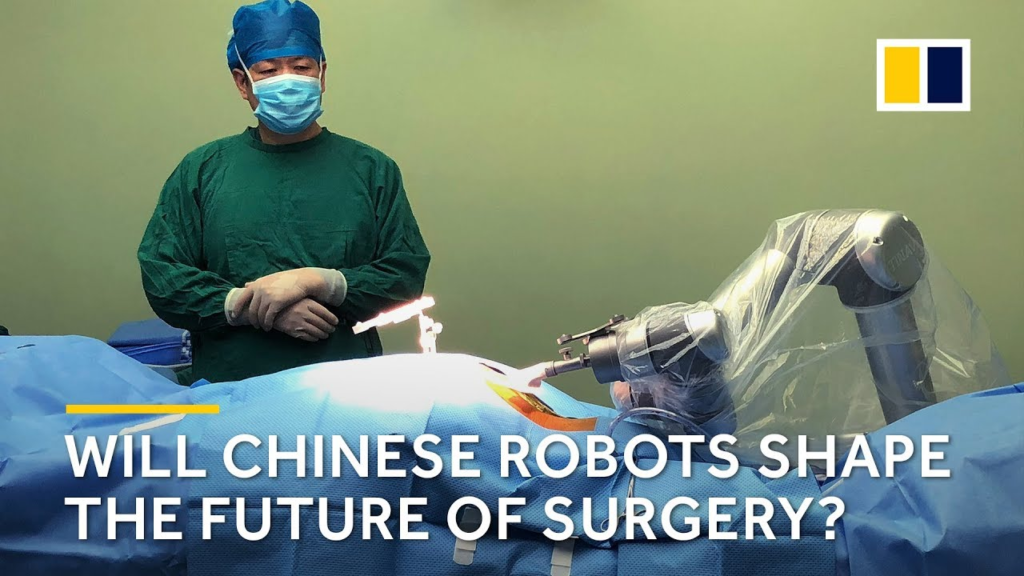
Its advanced capabilities include:
1. AI-Powered Brain Mapping
Before surgery begins, the robot analyzes detailed medical imaging such as CT scans and MRI scans. Using artificial intelligence algorithms, it identifies the precise target area in the brain and calculates the safest surgical path.
Explosive Rise: How Czechoslovak Group Became Europe’s Surprising Defense Powerhouse
The system evaluates thousands of potential pathways in seconds, selecting the one that minimizes damage to surrounding brain tissue.
2. Autonomous Surgical Planning
After analyzing the patient’s brain scans, the robot automatically generates a complete surgical plan. This includes determining:
The Hidden Crypto Revolution: America’s Massive Move That Could Change Money Forever
- Entry points
- Surgical angles
- Depth of instrument insertion
- Safe navigation around critical brain structures
This level of automated planning significantly reduces the risk of human miscalculation.
3. Ultra-Precise Robotic Instruments
The robot uses specialized micro-surgical instruments capable of movements measured in fractions of a millimeter. Brain surgery requires extraordinary precision because even tiny errors can lead to severe complications.
Hidden Power Revealed: The 60-Year-Old Diabetes Drug That Could Transform Brain Health
The robotic system can maintain stability far beyond human capability. It eliminates hand tremors and fatigue, two factors that can affect human surgeons during long procedures.
Real-World Tests: How the Robot Performed
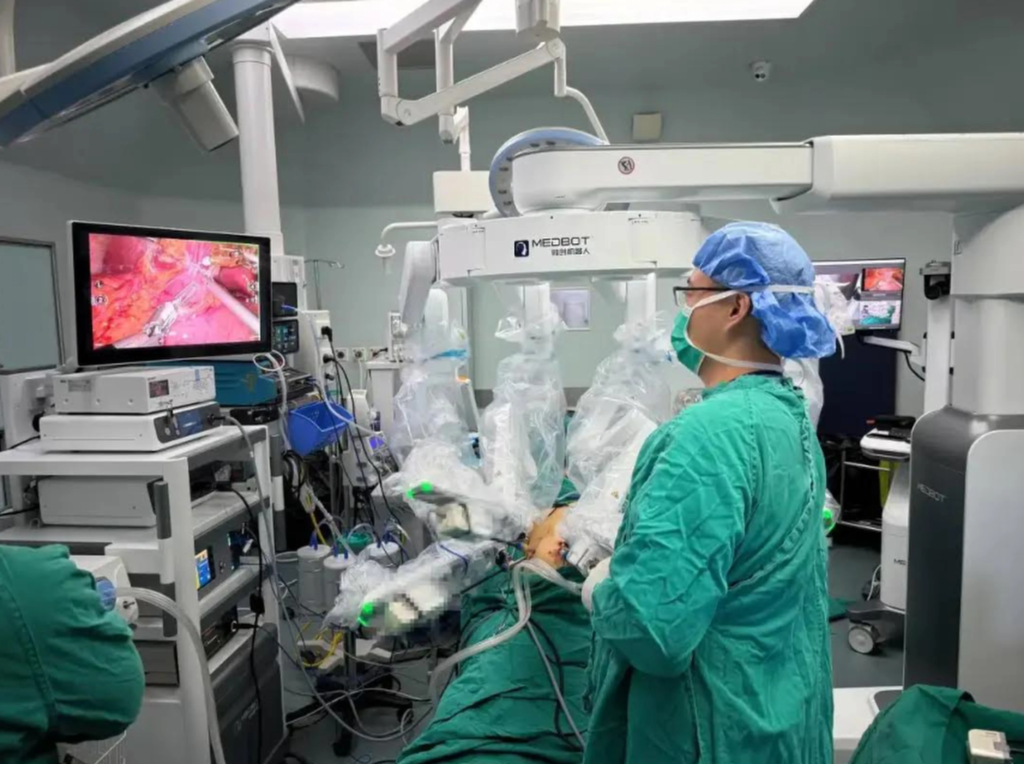
Researchers recently tested the robotic system in controlled surgical scenarios. During these procedures, the robot successfully performed complex neurosurgical tasks with minimal human supervision.
Hidden Forces Awakening: The Startling Geological Movement Scientists Are Tracking in Spain and Portugal
Doctors monitored the operations and were impressed by the robot’s accuracy and consistency.
In some cases, the robot reportedly achieved precision levels that matched or even exceeded experienced neurosurgeons.
Mind-Blowing Math Breakthrough: How American Teens Unlocked a Stunning New Proof of the Pythagorean Theorem
Key performance highlights included:
- Highly accurate targeting of brain regions
- Minimal tissue disruption
- Consistent surgical execution
- Faster procedural planning
These early results suggest that autonomous surgical robots may eventually assist in highly delicate procedures such as tumor removal, epilepsy treatment, and deep brain stimulation.
Why Doctors Are Both Impressed and Cautious
While the medical community acknowledges the technological achievement, many doctors remain cautious about fully autonomous surgery.
Brain surgery is among the most complex procedures in medicine. Even the best AI systems must account for unpredictable factors that can arise during operations.
Some of the main concerns include:
Patient Safety
Surgeons must respond quickly to unexpected complications such as bleeding, swelling, or tissue changes. Critics argue that robots may struggle to adapt to these unpredictable events in real time.
Ethical Questions
Autonomous surgery raises ethical questions about responsibility and accountability. If something goes wrong during a robot-led operation, determining who is responsible becomes complicated.
Trust in Artificial Intelligence
Doctors and patients may take time to trust machines with critical medical decisions. Many experts believe that robots should initially assist surgeons rather than replace them entirely.
Boater’s Paradise: The Jaw-Dropping Scotland Island Home With Two Deepwater Berths and Private Beach
Potential Benefits of Autonomous Brain Surgery
Despite the concerns, the advantages of robotic neurosurgery could be significant.
1. Improved Surgical Precision
Robots can operate with microscopic accuracy and eliminate human hand tremors. This could lead to safer surgeries and better patient outcomes.
Cosmic Mystery Unearthed: The Astonishing Bulgarian Rock That May Reveal Humanity’s First Star Map
2. Greater Consistency
Human performance can vary due to fatigue, stress, or experience levels. Autonomous robots can perform procedures with consistent precision every time.
3. Expanded Access to Expert Care
In many regions, access to skilled neurosurgeons is limited. Autonomous surgical robots could help bring advanced medical care to remote or underserved areas.
4. Faster Surgical Planning
AI systems can analyze complex imaging data much faster than humans. This allows surgical planning to occur in minutes rather than hours.
5. Reduced Surgeon Workload
Robotic systems could assist surgeons by handling routine tasks during procedures, allowing doctors to focus on complex decision-making.
How Artificial Intelligence Powers Surgical Decision-Making
At the heart of the robot’s capabilities is advanced artificial intelligence.
The system uses machine learning models trained on vast medical datasets, including:
- Brain imaging data
- Previous surgical procedures
- Anatomical models
- Neurosurgical guidelines
By learning from thousands of cases, the AI can identify patterns and make highly informed surgical decisions.
Over time, these systems may continue to improve as they learn from additional surgeries and clinical outcomes.
The Global Race for Medical Robotics
China is not the only country investing heavily in medical robotics. Researchers around the world are working to develop increasingly advanced surgical systems.
Major medical technology companies and research institutions are exploring innovations such as:
- AI-assisted diagnostics
- robotic microsurgery
- remote surgery through high-speed networks
- autonomous medical systems
The competition to develop the most advanced surgical technology is driving rapid progress in the healthcare industry.
Experts predict that robotic surgery will become increasingly common over the next decade.
Regulatory Challenges and Approval Processes
Before autonomous brain surgery robots can be widely used, they must undergo extensive testing and regulatory review.
Medical regulators will require:
- large-scale clinical trials
- long-term safety studies
- rigorous reliability testing
These steps are necessary to ensure that robotic systems meet strict safety standards before operating on patients.
Approval processes may take several years before such systems are integrated into hospitals globally.
What This Means for the Future of Neurosurgery
The development of autonomous brain surgery robots signals a profound shift in how complex medical procedures may be performed in the future.
Rather than replacing doctors, these technologies will likely work alongside surgeons as advanced tools that enhance human expertise.
Future operating rooms may include AI systems that:
- analyze patient data in real time
- assist with surgical planning
- guide robotic instruments during procedures
- monitor patient safety continuously
This collaboration between humans and machines could significantly improve healthcare outcomes worldwide.
The Human Element: Why Surgeons Still Matter
Despite the rapid progress in robotics and artificial intelligence, human doctors will continue to play a crucial role in medicine.
Surgery involves more than technical precision. Surgeons must also:
- interpret complex clinical situations
- communicate with patients and families
- make ethical decisions
- adapt to unexpected complications
Robots may assist with technical tasks, but human judgment and compassion remain irreplaceable in healthcare.
Conclusion: A Glimpse Into the Future of Medicine
China’s development of a robot capable of performing brain surgery autonomously represents a groundbreaking milestone in medical technology.
By combining artificial intelligence, advanced imaging analysis, and ultra-precise robotics, researchers have demonstrated the potential for machines to perform some of the most delicate procedures in medicine.
While challenges related to safety, regulation, and ethics remain, this innovation offers a glimpse into a future where robotic systems help doctors deliver safer, more precise, and more accessible healthcare.
As research continues and technology advances, autonomous surgical robots may eventually become an integral part of modern medicine—transforming how life-saving procedures are performed around the world.
FAQs
1. What is the new Chinese robot that can perform brain surgery?
The new Chinese surgical robot is an advanced artificial intelligence–powered medical system designed to perform certain types of brain surgery without direct human control during the procedure. It analyzes brain scans, plans the surgical pathway, and uses ultra-precise robotic instruments to carry out the operation with extremely high accuracy.
2. How does the autonomous brain surgery robot work?
The robot works by combining artificial intelligence, medical imaging, and robotic precision tools. First, it analyzes MRI or CT scans of the patient’s brain. Then, the AI calculates the safest surgical path and controls robotic arms that perform the procedure with microscopic precision.
3. Is the robot completely independent from doctors?
Although the robot can perform surgical tasks autonomously, doctors still supervise the entire process. Medical professionals monitor the system, verify surgical plans, and remain ready to intervene if necessary. This ensures patient safety while benefiting from the robot’s precision.