
Introduction: A Discovery That Could Rewrite the Story of Humanity
History-Shattering Discovery: In the world of archaeology, few discoveries have the power to challenge long-standing scientific beliefs. Recently, a remarkable archaeological discovery in Kenya has sparked intense debate among scientists and historians worldwide. Researchers working in a remote region of East Africa have uncovered ancient remains and artifacts that could significantly reshape our understanding of early human history.
For decades, East Africa has been considered the birthplace of humanity. Numerous groundbreaking fossils discovered in Kenya, Ethiopia, and Tanzania have helped scientists piece together the story of human evolution. However, this latest discovery could introduce new questions about when, where, and how early humans developed.
Archaeologists say the find includes ancient human remains and tools that may be far older than previously believed. If confirmed, this discovery could push back key milestones in human evolution and potentially alter the timeline of early human migration.
In this article, we will explore the details of this astonishing Kenyan discovery, what scientists have uncovered so far, and why it could transform our understanding of human history.
Why Kenya Is One of the Most Important Archaeological Regions on Earth
Kenya has long been recognized as one of the most significant locations for studying early human evolution. The country sits within the Great Rift Valley, a vast geological formation that stretches across East Africa. This region has preserved countless fossils dating back millions of years.
Over the past century, archaeologists working in the Rift Valley have uncovered important evidence about our ancient ancestors. Some of the earliest human relatives have been discovered in this area, helping scientists trace the evolutionary path from primitive hominins to modern humans.
Famous discoveries in Kenya include early hominin fossils, ancient stone tools, and evidence of early human settlements. These findings have made the region a focal point for researchers studying the origins of humanity.
The latest discovery adds another layer of intrigue to an already extraordinary archaeological landscape.
The Astonishing Discovery in Remote Kenyan Terrain
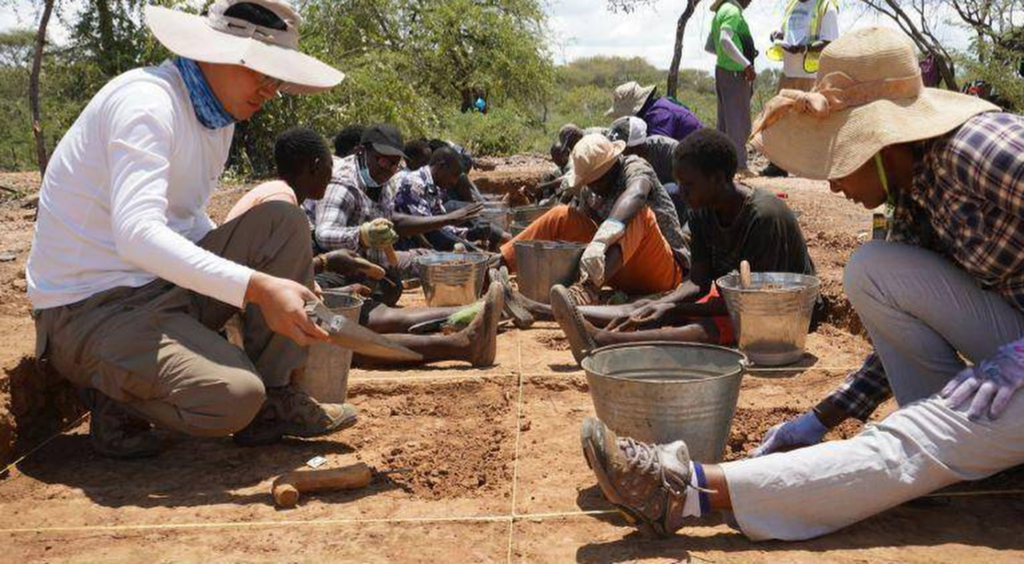
The recent discovery was made during a controlled archaeological survey in a remote region of northern Kenya. A team of field researchers was exploring sediment layers believed to contain ancient fossils when they uncovered something unexpected.
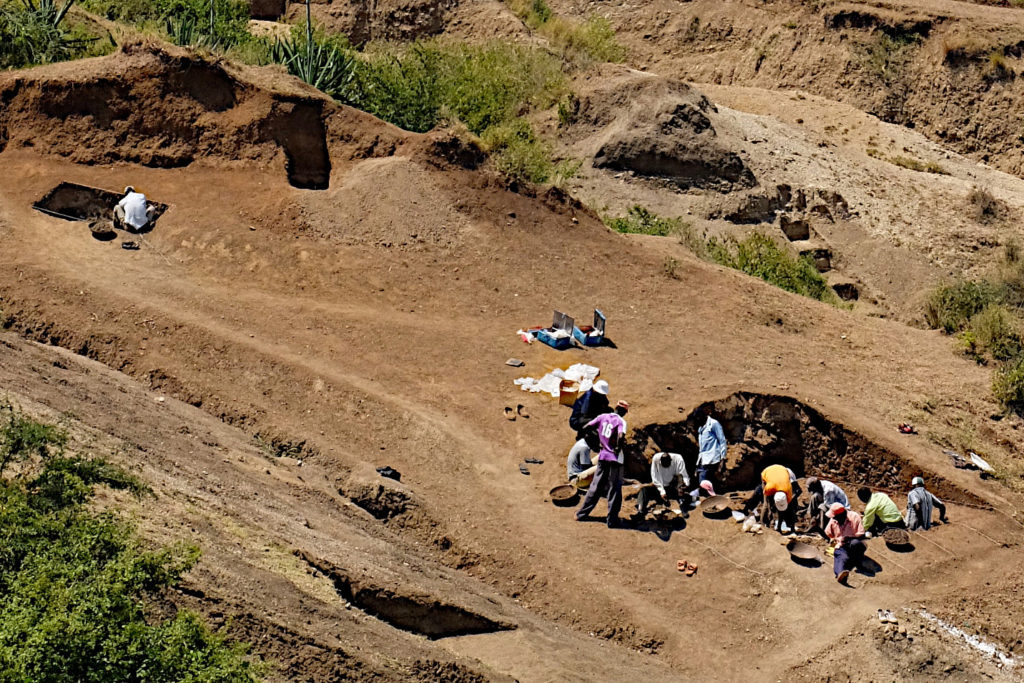
Initial excavations revealed several fragments of ancient bones embedded deep within the sediment. Nearby, researchers also found stone tools that appeared unusually primitive yet sophisticated for their estimated age.
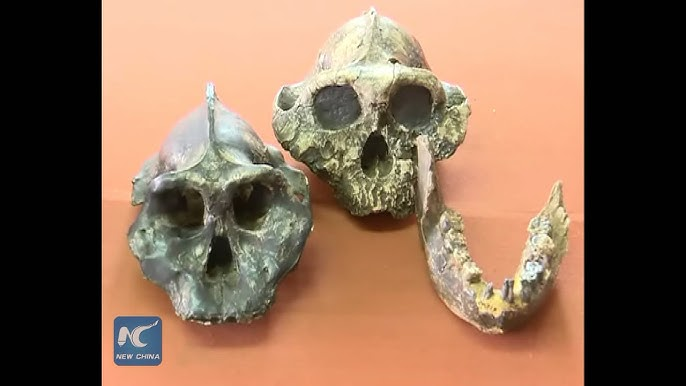
As the excavation continued, archaeologists realized they were dealing with a potentially groundbreaking discovery. The fossils appeared to belong to an early human ancestor, but their characteristics did not fully match previously known species.
This raised a thrilling possibility: the remains might represent either a previously unknown hominin species or an earlier stage of human evolution than scientists had documented before.
Ancient Fossils That Could Challenge Existing Evolutionary Timelines
One of the most fascinating aspects of the Kenyan discovery is the potential age of the fossils. Preliminary dating suggests the remains could be significantly older than many similar fossils previously found in the region.
If confirmed, the fossils might push back the timeline for certain evolutionary developments in early humans.
Scientists currently believe that early members of the genus Homo emerged around 2.5 million years ago. However, the newly discovered remains could indicate that important evolutionary changes occurred earlier than previously thought.
The fossils display a mixture of primitive and advanced anatomical features. Some aspects resemble earlier hominin species, while others appear closer to modern human traits.
This combination has puzzled researchers and sparked debate about where these ancient individuals fit into the human family tree.
The Stone Tools That Add Another Layer of Mystery
In addition to the skeletal remains, archaeologists discovered several stone tools near the fossil site. These tools appear to have been deliberately shaped and used by early humans or their ancestors.
Stone tools are among the most important clues scientists use to understand early human behavior. They provide insight into how ancient populations hunted, processed food, and adapted to their environment.
The tools found at the Kenyan site display unusual design characteristics that could suggest a previously unknown tool-making tradition.
If the tools are indeed as old as researchers suspect, they could represent some of the earliest examples of technological innovation in human history.
How Scientists Determine the Age of Ancient Fossils
Determining the age of archaeological discoveries is a complex process that requires multiple scientific techniques.
Researchers studying the Kenyan site are using several methods to estimate the age of the fossils and artifacts. These include analyzing the surrounding sediment layers and examining volcanic ash deposits in the region.
Volcanic ash is particularly useful for dating fossils because it contains minerals that can be measured using radiometric techniques. By analyzing the chemical composition of these minerals, scientists can determine when the ash was deposited.
If the fossils are found beneath or within these layers, researchers can estimate their approximate age with considerable accuracy.
These methods are currently being used to confirm the true age of the remarkable Kenyan discovery.
Why This Discovery Could Change Our Understanding of Human Origins
If the dating results confirm the initial estimates, the Kenyan discovery could significantly alter current theories about human evolution.
Many scientists believe that human evolution occurred gradually, with new traits emerging over long periods. However, discoveries like this can reveal unexpected evolutionary branches or earlier developmental stages.
The fossils could represent a transitional species that bridges the gap between known hominin groups. Alternatively, they might belong to a previously unknown population that lived alongside other early humans.
Either possibility would provide valuable new insights into the complexity of human evolution.
The Role of East Africa in the Story of Humanity
East Africa continues to play a crucial role in uncovering humanity’s deep past. Countries such as Kenya, Ethiopia, and Tanzania have produced some of the most significant fossil discoveries ever made.
The region’s unique geological conditions help preserve ancient remains that would otherwise be lost over time.
Sediment layers, volcanic activity, and erosion have created natural archives of prehistoric life, allowing archaeologists to explore millions of years of evolutionary history.
The latest Kenyan discovery highlights how much more there is still to learn about our origins.
What Happens Next in the Investigation
Although the discovery has generated excitement, scientists emphasize that careful analysis is necessary before drawing conclusions.
The fossils will undergo detailed examination in laboratories, where researchers will analyze their structure and compare them with known hominin species.
Advanced imaging technologies such as CT scanning may also be used to study the internal structure of the bones without damaging them.
Meanwhile, archaeologists plan to continue excavating the site in search of additional fossils and artifacts that could provide further clues.
The more evidence researchers uncover, the clearer the picture of this ancient population will become.
The Global Impact of Archaeological Discoveries
Major archaeological discoveries often reshape how we understand the past. From the discovery of ancient fossils to the uncovering of early tools and settlements, each new find adds another piece to the puzzle of human history.
The Kenyan discovery is already generating interest across the scientific community. Researchers from around the world are eager to analyze the evidence and explore its implications.
Such discoveries remind us that our understanding of history is constantly evolving. As new evidence emerges, scientists must refine existing theories and sometimes reconsider long-held assumptions.
Why Discoveries Like This Matter Today
Understanding human origins is more than an academic pursuit. It helps us better understand who we are and how we came to inhabit the planet.
Discoveries about early human evolution also shed light on how ancient populations adapted to environmental changes, developed tools, and formed social groups.
These insights can even inform modern science by revealing how humans evolved to survive in diverse and often challenging environments.
Each new discovery deepens our connection to the distant past.
Conclusion: A Discovery That Could Reshape the Story of Humanity
The astonishing archaeological discovery in Kenya has the potential to reshape our understanding of human evolution. While much research remains to be done, the fossils and tools uncovered in this remote region could challenge existing theories about the origins of our species.
If the findings are confirmed, they may push back important milestones in human history and reveal new branches of the evolutionary tree.
For archaeologists and historians, discoveries like this represent rare opportunities to rewrite chapters of our shared story.
As scientists continue to analyze the evidence and explore the site, the world waits eagerly to learn what secrets this remarkable Kenyan discovery will ultimately reveal.
Human history is still being written—and sometimes, it is hidden beneath layers of ancient earth waiting to be uncovered.
FAQs
1. What was discovered in Kenya that could change human history?
Archaeologists uncovered ancient human fossils and stone tools in a remote region of Kenya. These remains may be significantly older than previously known evidence of early humans, which could alter the current timeline of human evolution.
2. Why is Kenya important for studying human evolution?
Kenya lies within the Great Rift Valley, one of the richest regions in the world for prehistoric fossils. Many important discoveries related to early human ancestors have been made there, making it a key area for understanding how humans evolved.
3. How old are the fossils discovered in Kenya?
Scientists are still studying the site, but early estimates suggest the fossils could be millions of years old. Precise dating will require laboratory analysis using techniques such as radiometric dating and sediment analysis.