
Introduction: The Secret Behind Truly Exceptional Pizza
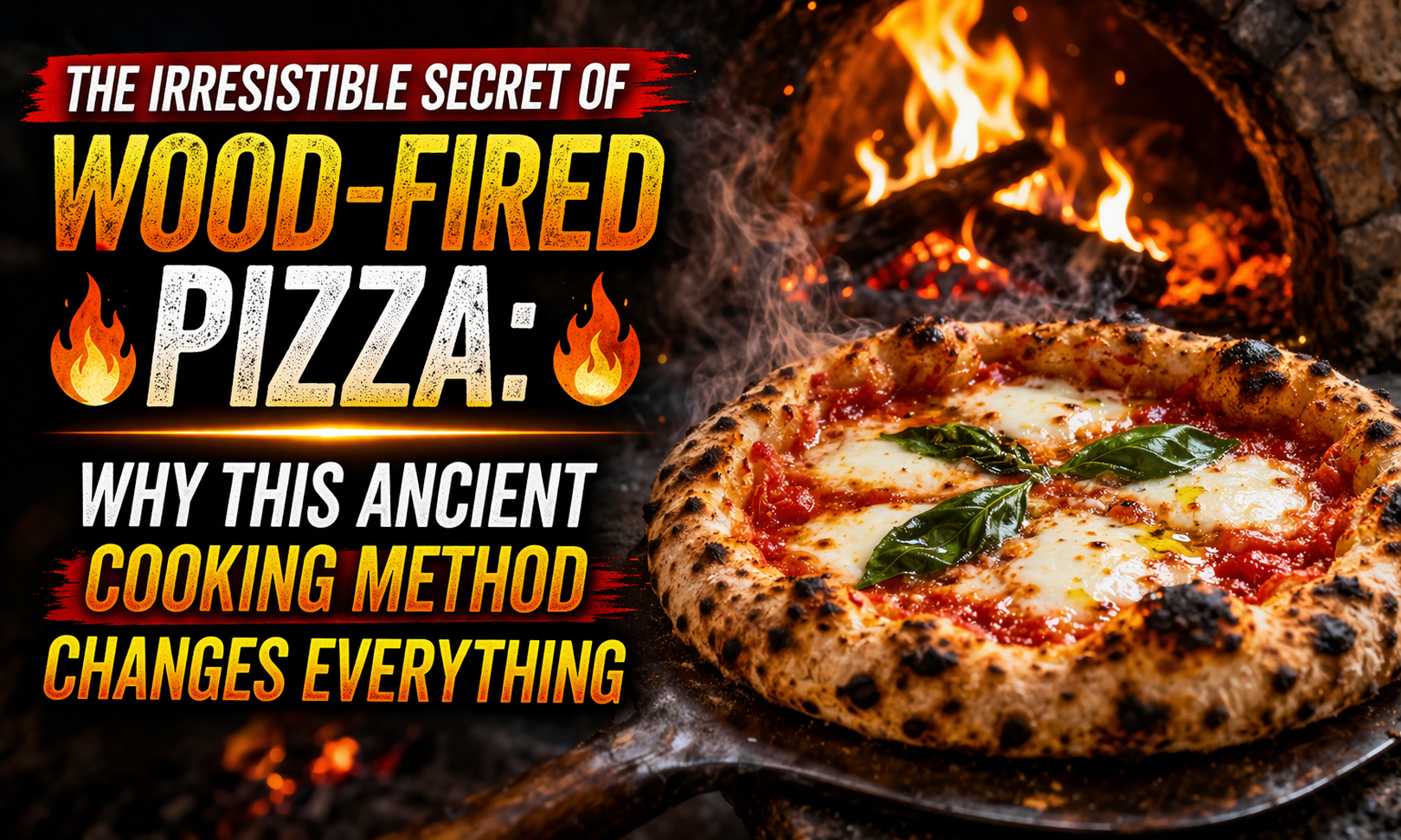
The Irresistible Secret of Wood-Fired Pizza: Pizza is one of the most beloved foods in the world, but not all pizzas are created equal. If you’ve ever tasted a pizza baked in a traditional wood-fired oven, you probably noticed something extraordinary. The crust is crisp yet airy, the cheese melts perfectly, and the flavors seem deeper and more vibrant. Many chefs and pizza enthusiasts agree that wood fire cooking completely transforms the pizza experience.
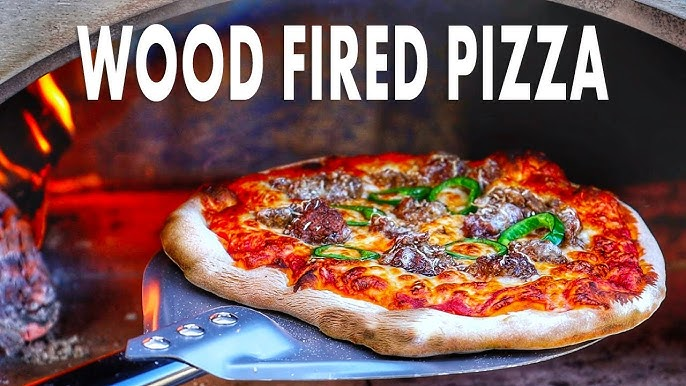
The reason lies in the unique cooking method. Wood-fired ovens reach incredibly high temperatures, often exceeding 800°F (427°C), creating a cooking environment that modern kitchen ovens simply cannot replicate. This intense heat cooks pizza in just minutes, producing textures and flavors that define authentic Italian pizza.
Mind-Control Breakthrough: The Astonishing Rise of Remote-Controlled ‘Cyborg Bees’ That Could Transform Science
The tradition of wood-fired pizza dates back centuries and is strongly associated with classic dishes like Neapolitan pizza from Naples, Italy. Today, chefs around the world still rely on wood-fired ovens to recreate that authentic taste.
In this article, we’ll explore how wood fire cooking transforms pizza, why it produces superior flavor and texture, and why many chefs believe it is the ultimate method for making perfect pizza.
The Science Behind Wood-Fired Pizza
Extreme Heat Creates Perfect Cooking Conditions
The defining feature of wood-fired cooking is the extreme temperature it produces. A traditional wood oven can reach temperatures between 700°F and 900°F, far hotter than most home ovens.
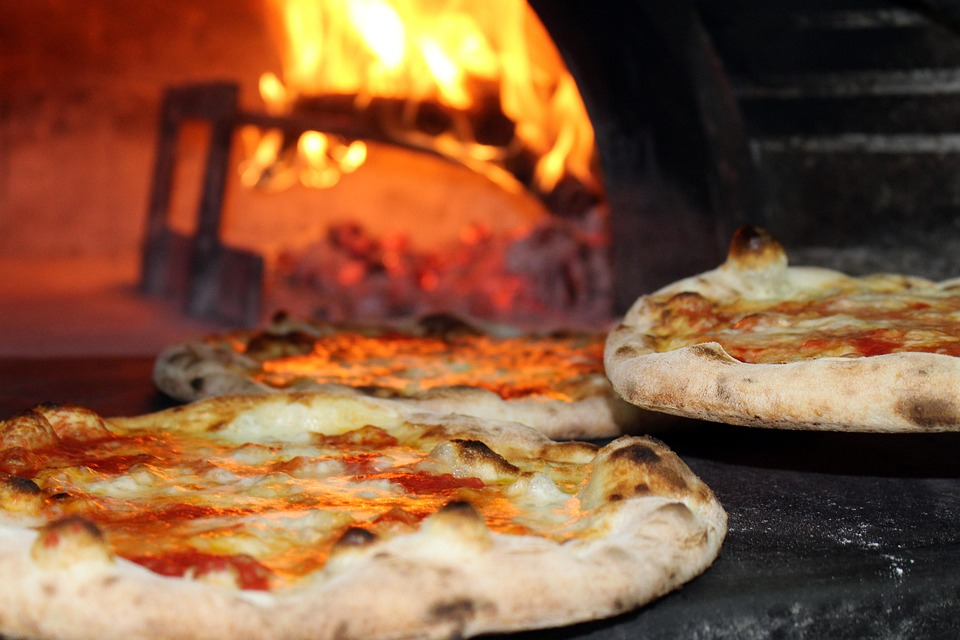
This intense heat allows pizza to cook in 60–120 seconds, which creates several important effects:
Boater’s Paradise: The Jaw-Dropping Scotland Island Home With Two Deepwater Berths and Private Beach
- Rapid crust expansion
- Perfect cheese melting
- Quick caramelization of toppings
- Minimal moisture loss
Because the pizza cooks so quickly, ingredients remain fresh while the crust becomes beautifully crisp.
The Magic of the Wood-Fired Crust
A Perfect Balance of Crunch and Softness
One of the most noticeable differences in wood-fired pizza is the crust.
The intense heat causes the dough to:
- Puff rapidly
- Form airy bubbles
- Develop a light, chewy interior
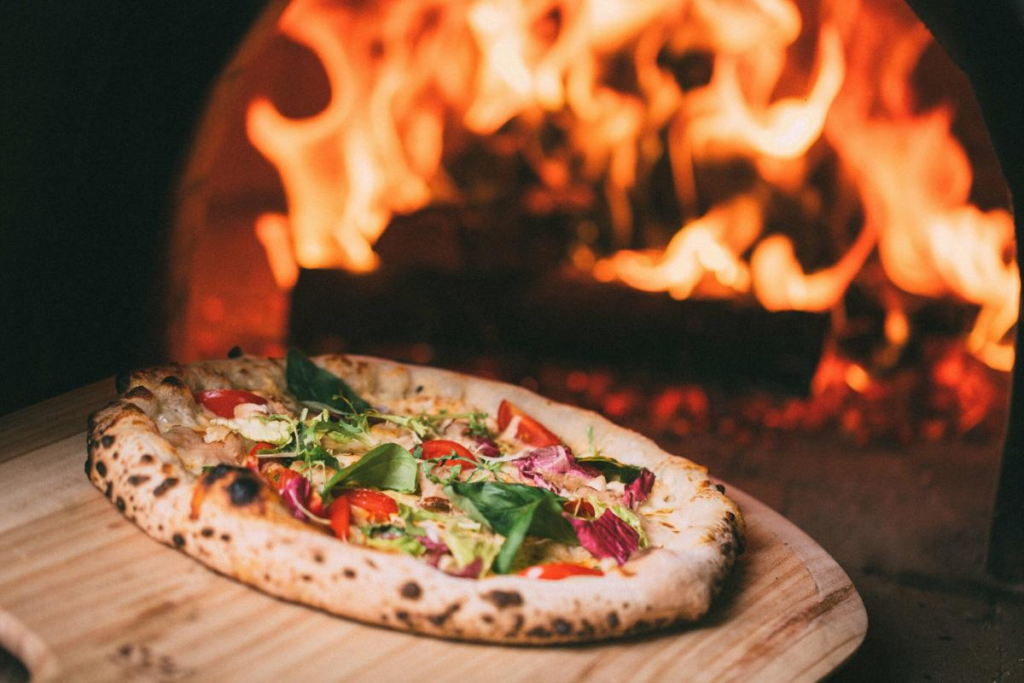
At the same time, the exterior becomes crispy and slightly charred, producing the signature leopard-spotted crust associated with authentic Italian pizza.
This unique texture cannot be achieved with slow cooking methods.
The Flavor Advantage of Burning Wood
Natural Smoke Infuses the Pizza
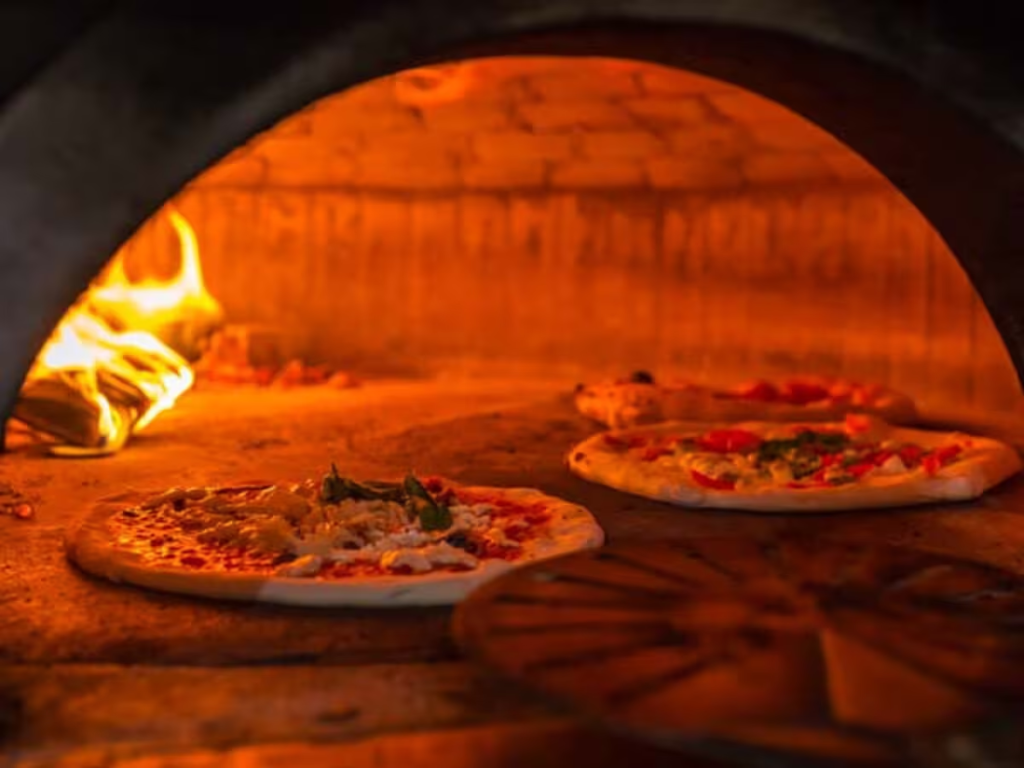
Wood-fired ovens introduce a subtle smoky aroma that enhances the pizza’s flavor.
Different types of wood can produce slightly different flavor notes. For example:
- Oak creates a strong, earthy smoke
- Applewood provides a mild sweetness
- Cherry wood adds a fruity aroma
As the wood burns, aromatic compounds infuse the pizza, giving it a complex flavor that gas or electric ovens cannot replicate.
Why Wood Fire Creates Better Cheese Melt
High Heat for Perfect Cheese Texture
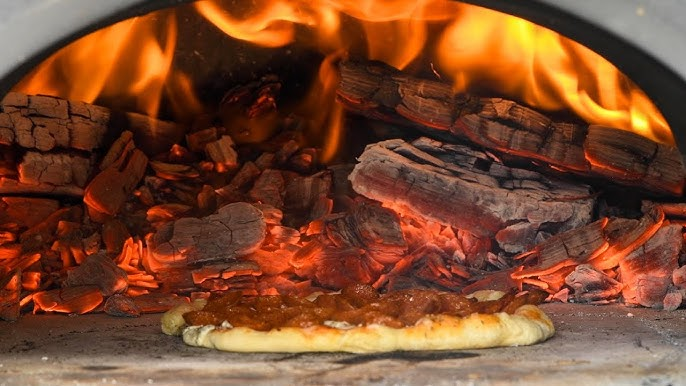
Cheese behaves differently under intense heat. In a wood-fired oven, cheese melts quickly and evenly without drying out.
This creates:
Cosmic Mystery Unearthed: The Astonishing Bulgarian Rock That May Reveal Humanity’s First Star Map
- Smooth, creamy texture
- Slight browning on the surface
- Richer flavor development
Classic wood-fired pizzas often use Mozzarella or Buffalo mozzarella, which respond beautifully to high heat.
Authentic Italian Pizza Traditions
The Legacy of Naples
Wood-fired pizza is deeply connected to the culinary traditions of Naples in southern Italy.
Vision Revolution or Risky Hype? The Shocking Truth Behind the Breakthrough Eye Gel Promising Sight Without Surgery
Traditional Neapolitan pizza is cooked in a wood oven for less than two minutes and must meet strict guidelines to be considered authentic.
The famous Pizza Margherita—made with tomato sauce, mozzarella, basil, and olive oil—was created in Naples in the late 19th century and remains one of the most iconic pizzas in the world.
History-Shattering Discovery: The Astonishing Kenyan Find That Could Rewrite the Origins of Humanity
Today, organizations like the Associazione Verace Pizza Napoletana protect and promote traditional pizza-making techniques.
Faster Cooking Means Fresher Pizza
Preserving the Freshness of Ingredients
Because wood-fired pizza cooks extremely quickly, toppings retain their natural flavor.
Vegetables remain vibrant rather than overcooked, while meats crisp beautifully without becoming dry.
This method highlights high-quality ingredients such as:
- Fresh tomatoes
- Basil leaves
- Olive oil
- Artisanal cheeses
The result is a pizza that tastes fresh, balanced, and flavorful.
The Unique Shape and Appearance
The Signature Wood-Fired Look
Wood-fired pizzas often look different from typical delivery pizzas.
Hidden Power Revealed: The 60-Year-Old Diabetes Drug That Could Transform Brain Health
They typically feature:
- Irregular shape
- Puffy edges
- Charred crust spots
- Lightly blistered cheese
These characteristics are signs of authentic wood-fired cooking and are highly prized by pizza lovers.
Hidden Forces Awakening: The Startling Geological Movement Scientists Are Tracking in Spain and Portugal
Why Wood Ovens Cook More Evenly
Radiant Heat From Every Direction
Unlike conventional ovens that heat mostly from below, wood-fired ovens cook pizza using three types of heat:
- Radiant heat from the dome
- Conductive heat from the hot stone floor
- Convective heat from circulating air
This combination ensures that the pizza cooks evenly on all sides.
Mind-Blowing Math Breakthrough: How American Teens Unlocked a Stunning New Proof of the Pythagorean Theorem
Wood Fire and the Art of Pizza Making
A Skill That Requires Practice
Cooking pizza in a wood-fired oven is both a science and an art.
Pizza makers must carefully manage:
Historic Medical Breakthrough: China’s AI Robot Successfully Performs Autonomous Brain Surgery
- Fire intensity
- Oven temperature
- Wood placement
- Pizza rotation
Experienced chefs can read the oven’s heat patterns and adjust the pizza’s position to achieve the perfect bake.
Why Wood-Fired Pizza Is Growing in Popularity
A Global Culinary Trend
In recent years, wood-fired pizza has become increasingly popular worldwide.
Restaurants and home cooks alike are investing in wood ovens to recreate authentic flavors.
The rise of artisanal food culture has also contributed to this trend, with many people seeking traditional cooking methods and high-quality ingredients.
Can You Make Wood-Fired Pizza at Home?
Modern Wood Oven Options
While traditional brick ovens require significant space, modern options make wood-fired pizza accessible to home cooks.
Today, people can purchase:
- Portable pizza ovens
- Backyard brick ovens
- Hybrid wood-and-gas ovens
These ovens allow pizza lovers to recreate restaurant-quality pizza in their own homes.
The Health Perspective
Natural Cooking With Simple Ingredients
Wood-fired pizza can also be healthier when made with fresh ingredients.
Traditional recipes often include:
- Fresh vegetables
- Olive oil
- Natural cheeses
- Simple dough with minimal additives
Because pizzas cook quickly, ingredients retain more nutrients and flavor.
The Sensory Experience of Wood-Fired Cooking
More Than Just Food
Wood-fired pizza offers more than just great flavor—it creates a unique dining experience.
The crackling sound of burning wood, the aroma of smoke, and the sight of flames dancing in the oven all contribute to the atmosphere.
For many people, wood-fired pizza represents a connection to culinary tradition and craftsmanship.
Conclusion: Why Wood Fire Truly Transforms Pizza
Wood-fired cooking is more than just a technique—it is a tradition that has shaped pizza for centuries. The combination of intense heat, natural smoke, and careful craftsmanship produces a pizza unlike any other.
From its perfectly crisp crust to its rich, smoky flavor, wood-fired pizza delivers a culinary experience that gas or electric ovens simply cannot match.
Whether enjoyed in a traditional pizzeria or prepared in a backyard oven, wood-fired pizza continues to captivate food lovers around the world. For anyone passionate about great pizza, experiencing the magic of wood fire cooking is truly unforgettable.
FAQs
1. What is wood-fired pizza?
Wood-fired pizza is pizza baked in a traditional oven heated by burning wood. These ovens reach extremely high temperatures, which cook the pizza quickly and create a crisp crust with a slightly smoky flavor.
2. Why does wood-fired pizza taste better?
Many pizza lovers believe wood-fired pizza tastes better because the burning wood produces natural smoke that enhances flavor. The intense heat also creates a perfectly crisp crust while keeping the toppings fresh and juicy.
3. How hot does a wood-fired pizza oven get?
A wood-fired pizza oven typically reaches temperatures between 700°F and 900°F (370°C–480°C). This high heat allows pizzas to cook in just a few minutes.