
A Surprising Discovery Hidden Inside a Decades-Old Can
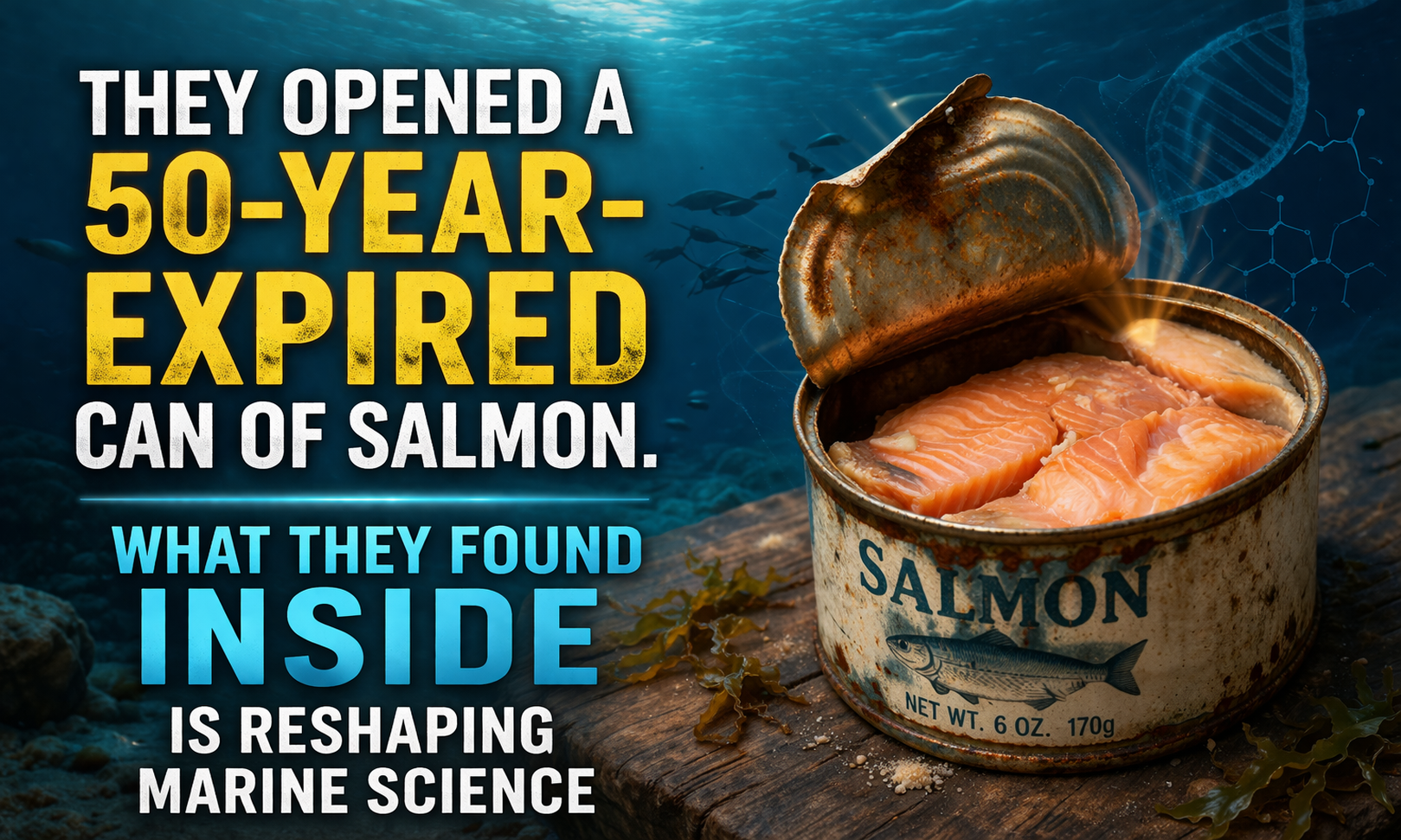
Stunning Scientific Twist: A Forgotten Salmon Can Is Rewriting Marine History: In a discovery that has stunned researchers, scientists recently examined a 50-year-old canned salmon sample and uncovered findings that are transforming how experts understand ocean ecosystems, fish populations, and environmental change.
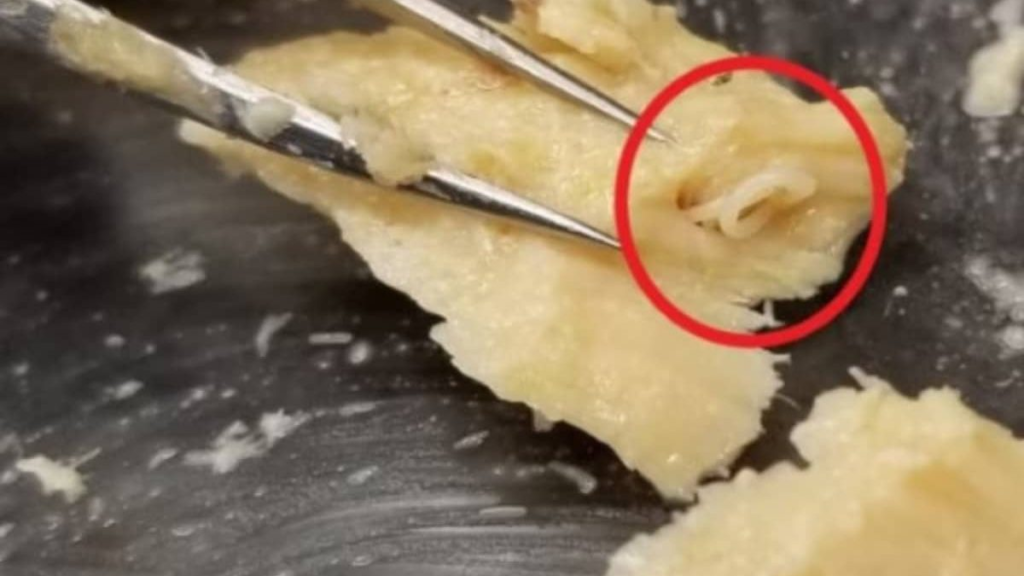
What began as a routine analysis of archived food samples quickly turned into a groundbreaking marine science revelation. The preserved salmon, stored for decades, contained biological information that scientists could still analyze using modern techniques.
Hidden Forces Awakening: The Startling Geological Movement Scientists Are Tracking in Spain and Portugal
This unexpected discovery is helping researchers reconstruct the past conditions of marine environments and track changes in fish populations over time. For marine biologists, the findings offer a rare and powerful scientific opportunity.
The salmon inside the can belonged to the species Pacific salmon—a group of fish that plays a critical role in ocean ecosystems and global fisheries.
Boater’s Paradise: The Jaw-Dropping Scotland Island Home With Two Deepwater Berths and Private Beach
What scientists uncovered inside the decades-old can is now helping them answer questions about climate change, ocean biodiversity, and the history of marine ecosystems.
The Story Behind the 50-Year-Old Salmon Can
The remarkable discovery started when researchers examined archived food samples originally collected decades ago for fisheries monitoring.
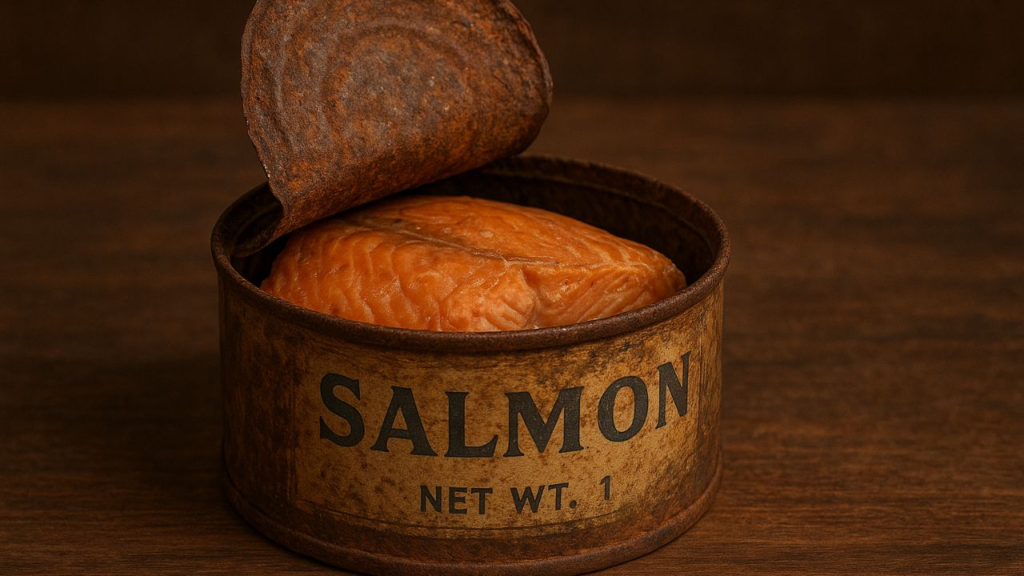
Many governments and scientific organizations historically preserved fish samples to track commercial fishing activities and food quality. These preserved specimens now serve as time capsules of the ocean’s past.
One of those samples was a sealed can containing preserved Pacific salmon that had been stored for roughly 50 years.
Mind-Blowing Lemon Hack: The Simple Trick That Turns Lemons Into Liquid Gold
At first glance, the can appeared to be nothing more than an outdated food item. But scientists quickly realized that the preserved fish could provide a unique opportunity to study genetic and ecological data from decades ago.
Why Old Fish Samples Are So Valuable to Scientists
Archived fish samples might seem insignificant, but they hold immense scientific value.
Mind-Blowing Math Breakthrough: How American Teens Unlocked a Stunning New Proof of the Pythagorean Theorem
Modern technology allows researchers to extract detailed information from biological specimens that were collected long before advanced analysis techniques existed.
Using modern laboratory tools, scientists can study:
Cosmic Mystery Unearthed: The Astonishing Bulgarian Rock That May Reveal Humanity’s First Star Map
- DNA and genetic material
- Chemical signatures in tissue
- Isotopes that reveal diet and habitat
- Historical population diversity
This process allows researchers to reconstruct the environmental conditions that existed decades earlier.
For species like Pacific salmon, which migrate between freshwater and ocean ecosystems, these insights are particularly important.
Mind-Control Breakthrough: The Astonishing Rise of Remote-Controlled ‘Cyborg Bees’ That Could Transform Science

What Scientists Discovered Inside the Salmon
When researchers opened the 50-year-old can, they were surprised to find that the preserved salmon still contained usable biological material.
Despite the age of the sample, scientists were able to extract valuable data from the fish tissues.
The analysis revealed several important insights:
1. Genetic Information from the Past
The preserved fish allowed scientists to analyze the genetic makeup of salmon populations from half a century ago.
By comparing historical DNA with modern salmon populations, researchers can determine how genetic diversity has changed over time.
This information is critical for understanding how environmental pressures such as overfishing and climate change have affected marine species.
Vision Revolution or Risky Hype? The Shocking Truth Behind the Breakthrough Eye Gel Promising Sight Without Surgery
2. Evidence of Changes in Ocean Ecosystems
Chemical analysis of the fish tissue revealed clues about the salmon’s diet and ocean habitat.
These chemical markers help scientists understand how marine food webs functioned decades ago.
Comparing these historical signatures with modern samples can reveal how ocean ecosystems have shifted over time.
3. Long-Term Population Trends
Another major discovery involved population diversity.
History-Shattering Discovery: The Astonishing Kenyan Find That Could Rewrite the Origins of Humanity
Historical samples like this one provide insight into which salmon populations existed decades ago and how their numbers have changed.
Understanding these long-term trends helps researchers develop better conservation strategies for endangered fish species.
Historic Medical Breakthrough: China’s AI Robot Successfully Performs Autonomous Brain Surgery
Why Pacific Salmon Are So Important to Marine Science
The fish species involved in this discovery, Pacific salmon, plays a vital ecological role.
These fish migrate thousands of kilometers between freshwater rivers and the open ocean during their life cycle.
Hidden Power Revealed: The 60-Year-Old Diabetes Drug That Could Transform Brain Health
Their migration supports entire ecosystems because salmon transport nutrients between environments.
When salmon return to rivers to spawn, they provide food for numerous species, including:
Hidden Autumn Paradise: The Charming Macedon Ranges Village You Can Reach by Train
- Bears
- Birds
- Marine mammals
- River ecosystems
Because salmon interact with both freshwater and marine systems, they serve as important indicators of environmental health.
The Role of Archived Specimens in Modern Science
The discovery also highlights the growing importance of archived biological collections.
Museums, fisheries agencies, and research institutions around the world maintain vast collections of preserved specimens.
These archives include:
- Fish samples
- Marine invertebrates
- Plant specimens
- Geological samples
Although many of these collections were originally gathered for basic record-keeping, modern technologies now allow scientists to extract entirely new types of data from old specimens.
In the case of the 50-year-old salmon can, a simple preserved fish turned into a powerful scientific record of the past.
How Climate Change Makes Historical Data Essential
Understanding how marine ecosystems are changing requires long-term data.
Unfortunately, many modern scientific studies only cover a few decades.
Archived specimens help extend that timeline.
By analyzing preserved samples like the salmon in the can, researchers can compare:
- Historical ocean conditions
- Past fish diets
- Earlier genetic diversity
These comparisons are crucial for understanding how environmental factors such as warming oceans and changing food chains affect marine species.
New Technologies Driving the Discovery
The breakthrough was made possible by advances in several scientific techniques.
DNA Sequencing
Modern genetic sequencing allows researchers to analyze extremely small fragments of DNA preserved in old specimens.
Even degraded genetic material can reveal important information about species history.
Stable Isotope Analysis
This technique measures chemical markers in animal tissues.
These markers reveal details about:
- Diet
- Ocean habitat
- Migration patterns
Isotope analysis has become a powerful tool for reconstructing ancient ecological conditions.
Advanced Environmental Modeling
Scientists combine biological data from archived specimens with computer models to simulate past ocean environments.
These models help researchers understand how marine ecosystems have changed over time.
Implications for Fisheries and Conservation
The discovery from the 50-year-old salmon sample could influence future fisheries management strategies.
Understanding historical population diversity can help conservationists identify which salmon populations are most vulnerable today.
For example, if certain genetic groups of Pacific salmon were more common decades ago but are rare today, scientists can investigate the reasons behind their decline.
This knowledge may help guide:
- Sustainable fishing policies
- Habitat restoration programs
- Conservation initiatives
The Bigger Picture: Learning from the Ocean’s Past
The discovery inside the expired salmon can demonstrates an important principle in science: the past holds valuable clues about the future.

Archived biological samples provide a window into ecosystems that existed decades or even centuries ago.
By studying these historical records, scientists can better understand how marine environments evolve over time.
For researchers studying ocean ecosystems, discoveries like this are invaluable.
They help reveal how fish populations, food webs, and environmental conditions have changed—and how they might continue to change in the future.
Why This Discovery Matters for Marine Science
Although it may seem surprising that a decades-old canned fish could transform scientific understanding, the discovery underscores the importance of preserving biological samples.
The salmon inside the can acted as a scientific time capsule, allowing researchers to study marine ecosystems from half a century ago.
For marine biologists and conservationists, this type of historical insight is incredibly powerful.
It allows scientists to compare the past and present in ways that were never previously possible.
A Simple Can That Changed Marine Research
In the end, the 50-year-old salmon can turned out to be far more than an expired food item.
It became a rare scientific resource that helped researchers unlock new insights into the biology and ecology of Pacific salmon.
As researchers continue to analyze historical specimens from archives and collections around the world, more discoveries like this may emerge.
Sometimes, the most important scientific breakthroughs come from the most unexpected places—even from a forgotten can sitting on a shelf for half a century.
FAQs
1. Why did scientists open a 50-year-old can of salmon?
Researchers examined the decades-old can as part of a study involving archived biological samples. Preserved fish like Pacific salmon can contain valuable scientific information that helps scientists study historical ocean conditions, fish populations, and environmental changes.
2. How can a 50-year-old fish still provide useful scientific data?
Even after decades, preserved specimens can still contain usable DNA, proteins, and chemical markers. With modern laboratory technologies, scientists can analyze these materials to reconstruct past ecosystems and study long-term changes in marine life.
3. What did researchers discover inside the canned salmon?
Scientists were able to extract genetic and chemical data from the preserved fish. This information helps researchers understand historical population diversity, diet patterns, and environmental conditions affecting Pacific salmon decades ago.